Clearing the Way for Surface Water Separation at The Gillies
Category: Case Studies Environment
Introduction
At The Gillies in Hampshire, that has meant cleaning and surveying 31,000 metres of sewer to prepare the network for the next phase of Southern Water’s surface water separation programme. By reducing the amount of rainwater entering foul and combined sewers, the programme helps ease pressure on the wastewater network, cut the risk of storm overflows and protect rivers, seas and bathing waters.
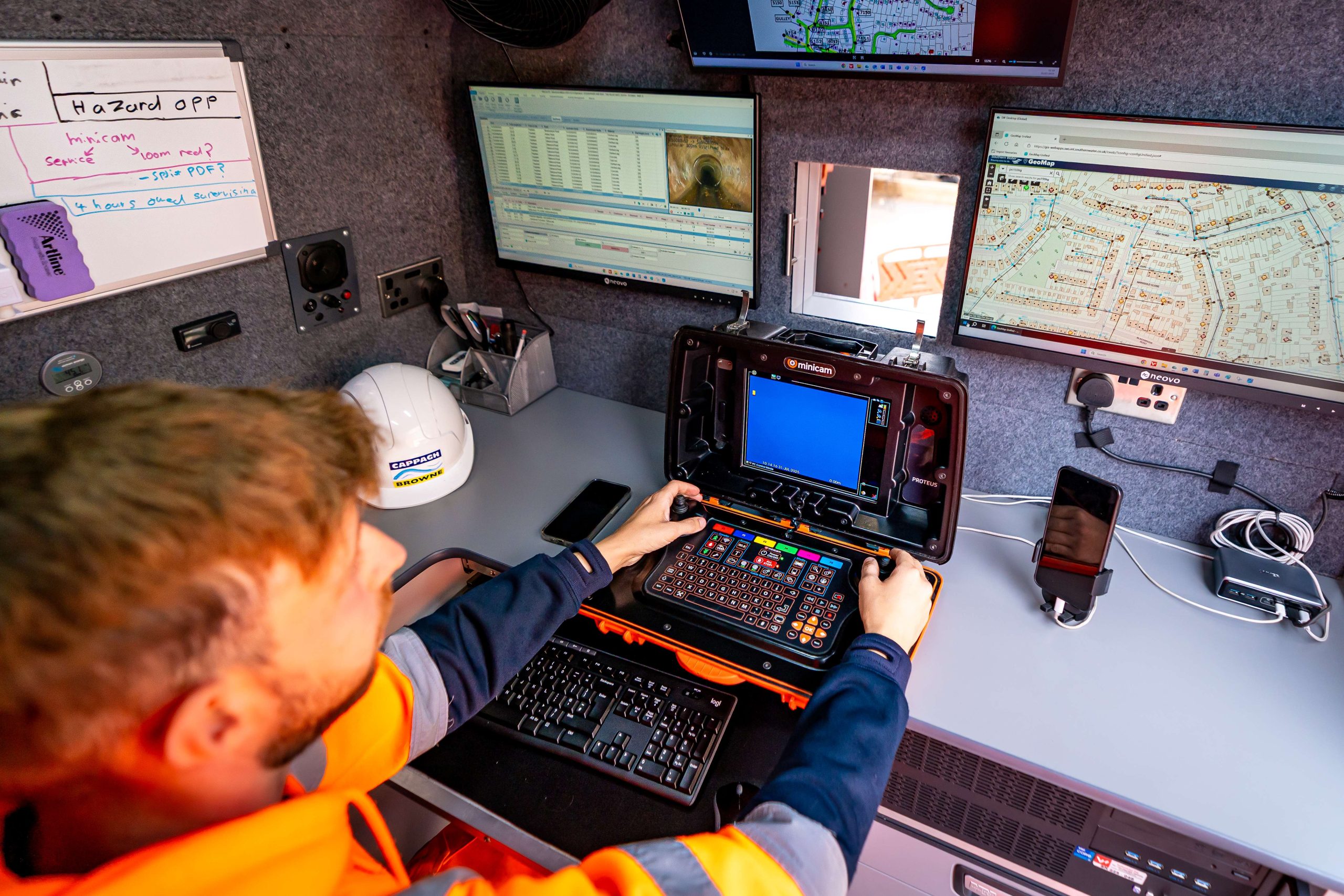
This is where Cappagh Browne’s teams have been making a difference. Working across The Gillies area, our sewer cleaning and surveying teams have progressed through the network section by section, inspecting sewers of varying sizes to assess their condition and confirm they are fit for purpose ahead of separation work. This preparatory activity plays an important role in improving network readiness and supporting the wider aim of cleaner rivers, seas and communities.
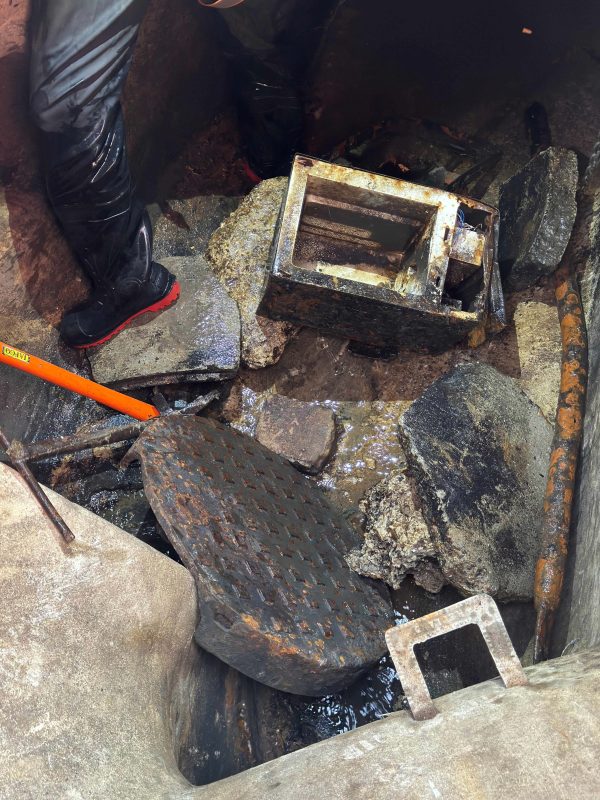
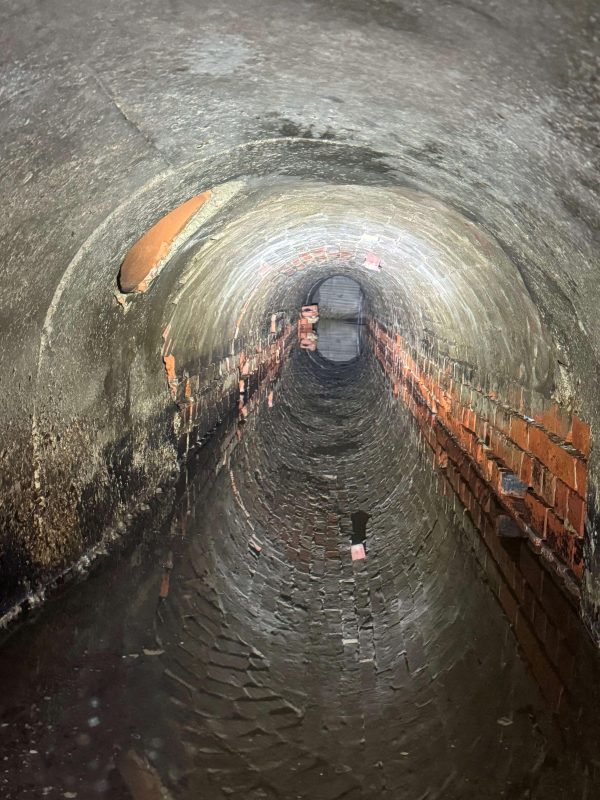
The scale of the work has been significant, with demanding conditions uncovered below ground. Among the sections surveyed was an 825mm brick sewer, where teams encountered some of the most challenging obstructions. During recent operations, they removed a remarkable range of debris, including multiple manhole covers, a microwave, a fridge door, large concrete blocks and metal bars.
After identifying major obstructions through CCTV inspection, the team worked step by step to gain safe access, remove large items manually and carry out high-pressure jetting to clear the remaining material from the sewer. Once cleaned, the line could then be surveyed properly, providing a clear picture of its condition and confidence that it can support future separation activity.
This work clears the way for what comes next. By cleaning and surveying the network in advance, our teams are helping ensure that surface water separation schemes are delivered on infrastructure that has been properly assessed, understood and prepared. That improves reliability, supports future performance and helps create the conditions needed for long-term environmental improvement.
Category: Case Studies Environment
Location: Hampshire